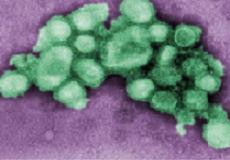
The continuing spread of the H1N1 virus between people has given cause for the World Health Organization to raise the pandemic alert on June 11, 2009 to its highest level, Phase 6, after confirming with virus experts and member countries that the 2009 H1N1 virus is spreading in a sustained way from person to person in 74 countries on three continents. It is worth noting that the upgrade to Phase 6 is a reflection of the spread of the virus, not the severity of illness caused by the virus.
As of June 28, 2009, the Saudi Ministry of Health has confirmed 68 cases of the virus within the Kingdom. In efforts to prevent further outbreaks, Saudi health authorities are using thermal sensors to conduct screening at all international airports. Currently, those who test positive are quarantined in a hospital until they are no longer contagious. According to the Ministry of Health, the current cases in Saudi Arabia have been mild and that patients were recovering quickly.
According to the Center for Disease Control (CDC) the novel virus spreads in the same way that regular seasonal influenza viruses spread, mainly through the coughs and sneezes of people who are infected with the virus, but it may also be spread by touching infected objects and then touching your nose, mouth or eyes. Novel H1N1 infection has been reported to cause a wide range of flu-like symptoms, including cough, sore throat, body aches and pains, headaches, chills, fevers and fatigue. Additionally, many people also have reported nausea, vomiting and/or diarrhea. These last symptoms maybe the distinguishing features between the two types of viruses.
Under a directive from the Custodian of the Two Holy Mosques King Abdullah, it was announced that the Health Minister Dr. Abdullah Al-Rabeeah will inaugurate a four day-workshop on swine flu at the Jeddah Hilton beginning June 27th, 2009. According to Arab News, several specialists from the World Health Organization, the US Centers for Diseases Control and local health officials from the 20 health regions in the Kingdom will participate in this workshop in an effort to understand all aspects of this virus and its implications upon the population. There is great urgency in educating the public and health care workers as the upcoming umrah season during Ramadan and also Hajj in November is cause for concern in containing the spread of such illnesses.
Therefore the Infection Prevention & Control Department of the National Guard Health Affairs has released new reminders for all personnel to take into consideration to prevent further spread of the virus in all areas. These reminders include but are not limited to:
•Wash hands with soap and running water for 20 seconds.
•Stand more than an arm’s length from those who are infected with flu or display flu symptoms.
•Avoid crowded places.
•If you feel ill seek medical advice and if there is a fever stay home.
•Cover coughs and sneezes, and wash after.
Additional points are available in PDF as well as Does and Don'ts concerning swine flu.
For more methods of reducing infection and the latest information on the swine flu please see the World Health Organization.