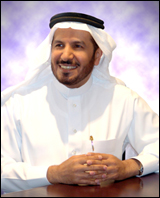
Dr. Abdullah Al Rabeeah, Chief Executive Officer of National Guard Health Affairs, announced the consideration of establishing trains transportation at King Abdulaziz Medical City in Riyadh due to the traffic jam and lack of parking spaces at the city.
He stated that trains will reflect the cultural life and environment development within the medical city. It will facilitate the transportation for medical staff to various destinations inside the city and will help in eliminating overcrowding problems.
In an effort to facilitate the blood donation process, Dr. Rabeeah revealed the news of creating mobile blood banks to collect blood donation from volunteer donors at their work places at NGHA.
Dr. Rabeeah called for organized privatization of the health sector that should go through phased program which operates on a set plan approved by highest competent in this regard. He described working on privatization without a board an individual effort. He also pointed that the health sector is not ready for rapid privatization. Dr. Rabeeah insisted on the need of reducing medical errors in the country as well as finding appropriate solutions to prevent such medical errors in the future. It is note worthy that the population outgrew the health sector more than it can accommodate which affects the performance of health services provided.
He also talked about establishing a mental health and rehabilitation hospital among the ongoing projects as it is important in raising the awareness of the community. On the other hand, he ruled out the establishment of a specialized center for conjoined twins due to the limited number of conjoined twins around the world and he stressed the fact that there are existing programs related to this field in the health sectors in Saudi Arabia.
The health sector is full of several partnerships within the health industry to make sure the development in the country is on the right path. Part of it is establishing partnerships with international universities to activate the role of health sector in the academic field. Since NGHA is one of the first health sectors in gaining the most from developed world, it has established an advisory board to benefit from the experiences of some of the developed countries such as the United States, Canada, and Australia in the promoting the medical services. In addition, developing college of Medicine at King Saud University as well as the research at King Abdullah bin Abdulaziz Medical Research Ceneter.
Dr. Rabeeah addressed the problems of appointment booking and shortage of beds in NGHA hospitals. The number of beds has increased from 850 beds to 1600 beds in Riyadh. The numbers of beds in the western region increased from 480 to 800 beds as well as an increase in the same number in Dammam and Al Ahsa. Dr. Rabeeah said that the shortage of beds is one of the main concerns in the health sector. There are quick solutions to this problem, such as "recycling beds" which means the patient gets admitted for one day to do all the necessary tests to ensure short stay at the hospital. Another solution is to rent beds from private sectors to increase the number of beds in the hospitals.
As for the lack of required specialties Dr. Rabeeah stated that the health sector has health education plans and training programs for doctors to solve this issue. Dr. Rabeeah stated that the King Abdulaziz Medical City has the largest emergency department. It will expand to become the best services provider. He also revealed that the Custodian of the Two Holy Mosques will see the light in the next two years.